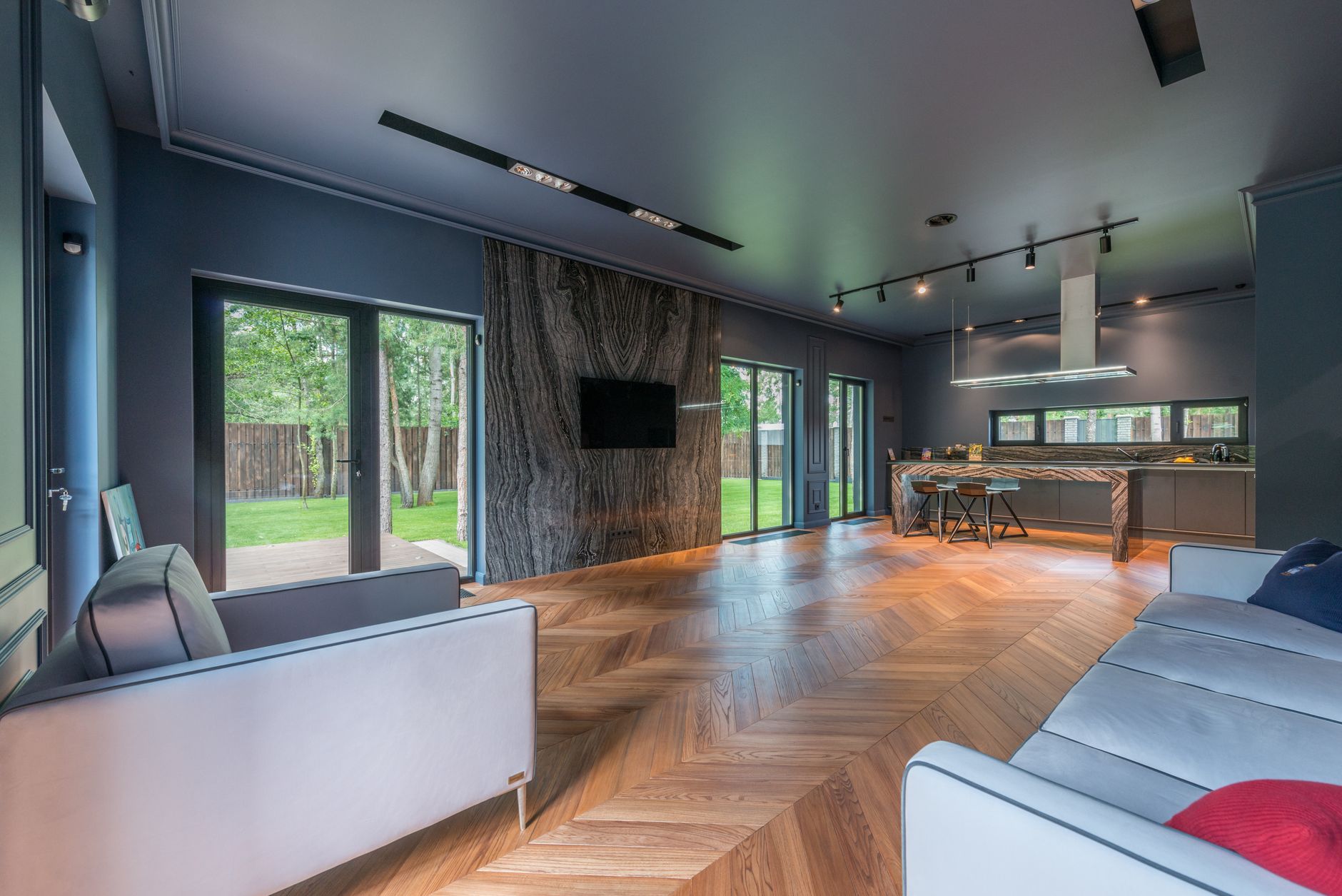
Flooring materials for Pennsylvania houses
What each one is good at, what it costs installed here, and the rooms where it is the wrong answer.
Eight kinds of floor
Luxury vinyl plank is the most-installed residential floor in the United States today, and ceramic leads everything that is not resilient — but the right answer in a Pennsylvania house depends far more on the room and the subfloor than on the national ranking. What each one is good at, and where it fails here.
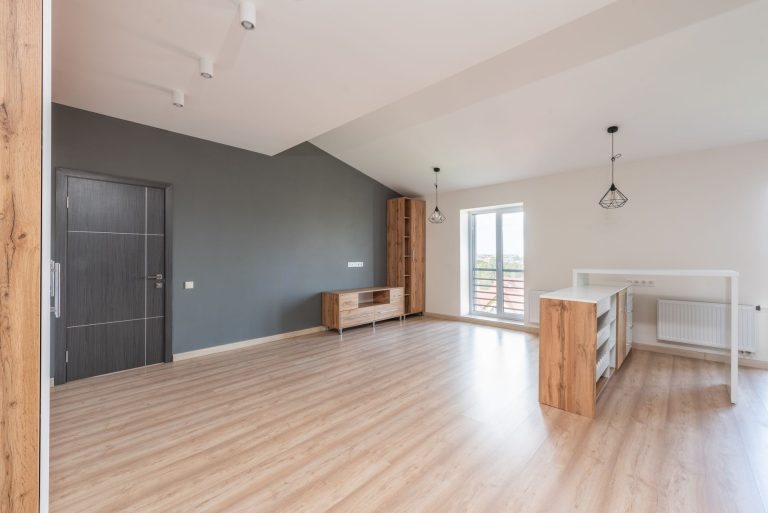
Luxury Vinyl Plank
The most-installed floor in America right now, and the usual answer for a Pennsylvania basement.
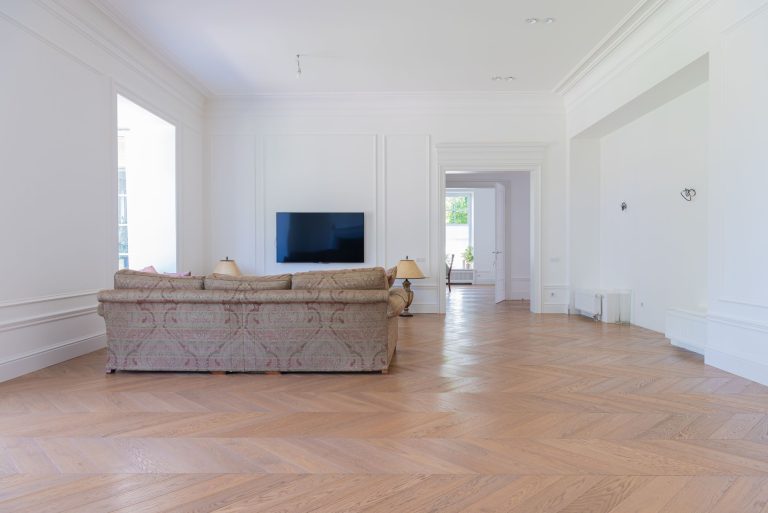
Hardwood Installation
Solid and engineered. Still the highest resale value of anything here.
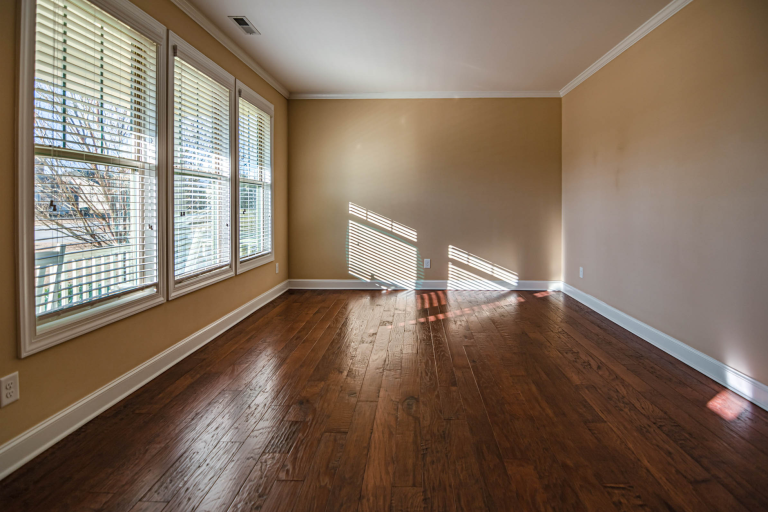
Refinishing & Restoration
Sand, stain and seal the boards already sitting under your carpet.
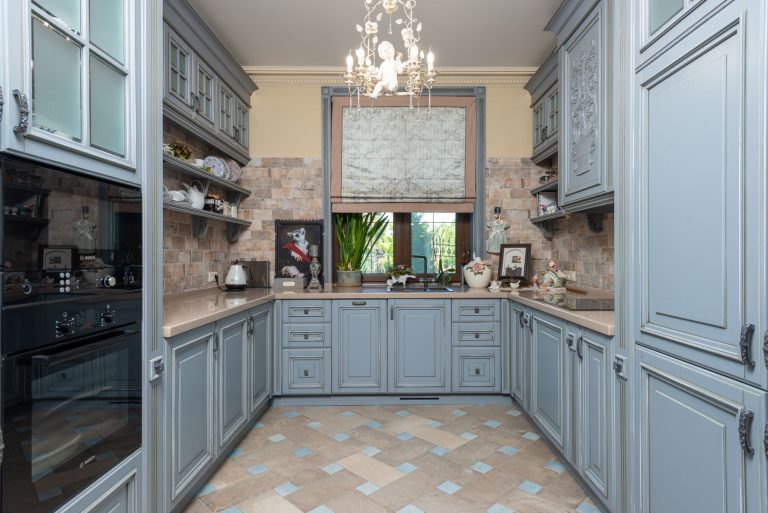
Tile & Porcelain
Entryways, baths and mudrooms built for road salt and slush.
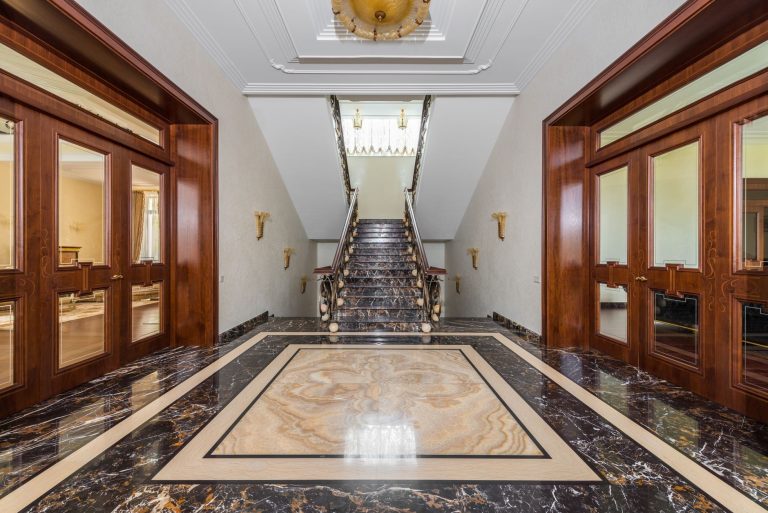
Natural Stone & Marble
Foyers and powder rooms, where a floor is doing the talking.
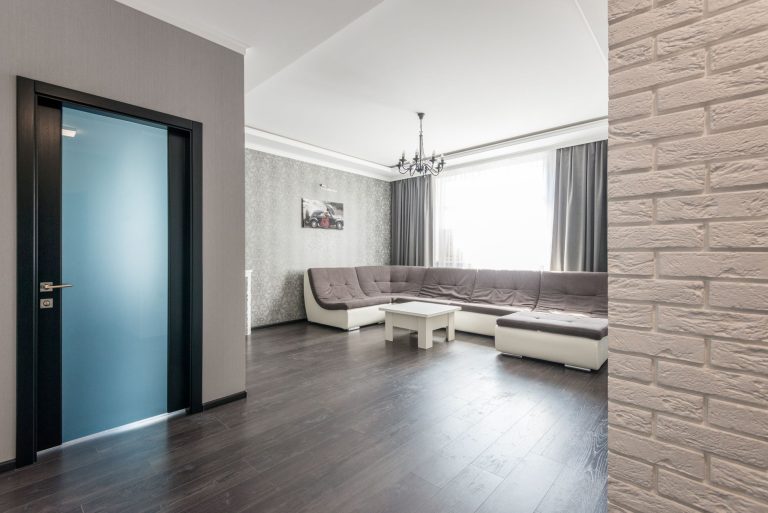
Laminate
The budget end done properly, and where it is a false economy.
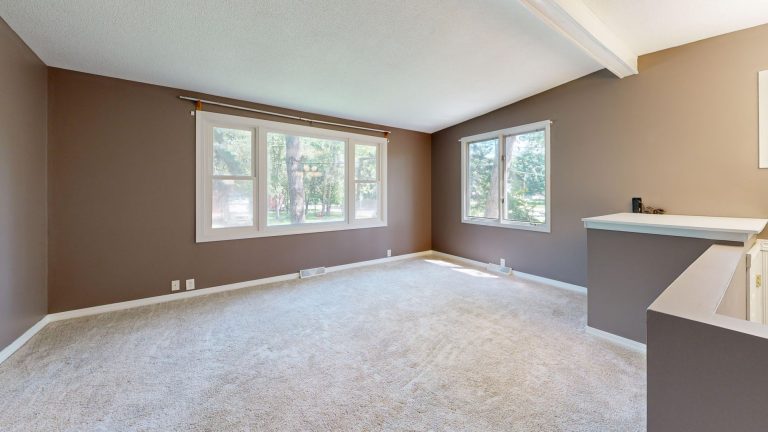
Carpet
Bedrooms, stairs and the third floor of a twin.
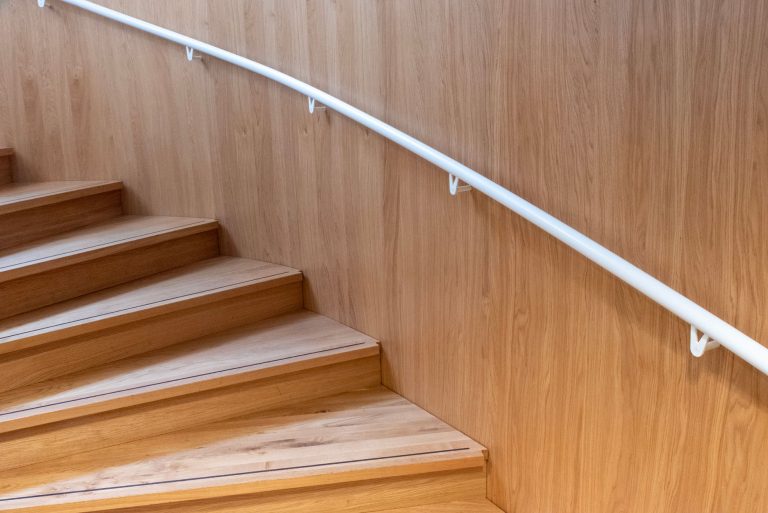
Stairs & Landings
Treads, risers and railings on a century-old staircase.
What it costs here
Installed Pennsylvania ranges, materials and labor together. Philadelphia sits at the top of each band; rural counties sit at the bottom.
An estimate, not a quote. These are planning ranges for Pennsylvania, not a quote. What you actually pay depends on your rooms, your subfloor and the material you choose — final price depends on your project.
Choosing between them
In a Pennsylvania house the choice is narrowed by the building far more than by taste. Three
questions settle most of it:
- Is it below grade? If yes, wood products are out — that means solid hardwood
and laminate — and rigid-core luxury vinyl plank or tile is the answer. - What is the subfloor? A diagonal plank subfloor takes nailed solid hardwood
and carpet directly. Everything else wants an underlayment or an overlay first, and that is a real
cost. How to identify yours. - How much does the floor move? Old joists deflect, and rigid materials crack.
Tile and stone in an older house need a deflection check before a product is chosen, not
after.
And one that comes before all three: is there already a hardwood floor under the
carpet? In a great many Pennsylvania houses there is, and
refinishing it costs roughly a third of replacing it.
Questions people actually ask
Do I have to register my flooring contractor?
The contractor registers, not you. Under Pennsylvania's Home Improvement Consumer Protection Act, anyone doing more than $5,000 a year of residential home improvement has to hold a PA Home Improvement Contractor number and print it on their contracts, estimates and advertising. Ask for it, then check it against the Attorney General's public register.
Can I put new flooring over the old floor?
Often yes, and over suspected asbestos tile it is frequently the preferred answer. What matters is whether the existing surface is flat, sound and dry, and how much height you can give up at the doors and the bottom stair riser.
When is refinishing better than replacing?
When there is enough wood left to sand. Solid strip flooring can usually take several sandings across its life; engineered wood depends entirely on how thick the top veneer is, and plenty of it cannot be sanded even once.
Do I need a permit to replace a floor in Pennsylvania?
A like-for-like floor covering replacement is normally treated as a finish and does not need a permit. It changes if you are altering structure — sistering or replacing joists, cutting an opening, or building up a subfloor enough to affect stair rise. Permits are issued locally, so the answer is your municipality's, not the state's.
How much does flooring cost in Pennsylvania?
Installed, most Pennsylvania floors land between $2 and $21 a square foot depending entirely on material: carpet and basic luxury vinyl plank at the bottom, tile in the middle, solid hardwood at the top. Refinishing what is already down runs roughly $3 to $8. These are planning ranges, not a quote — final price depends on your project.