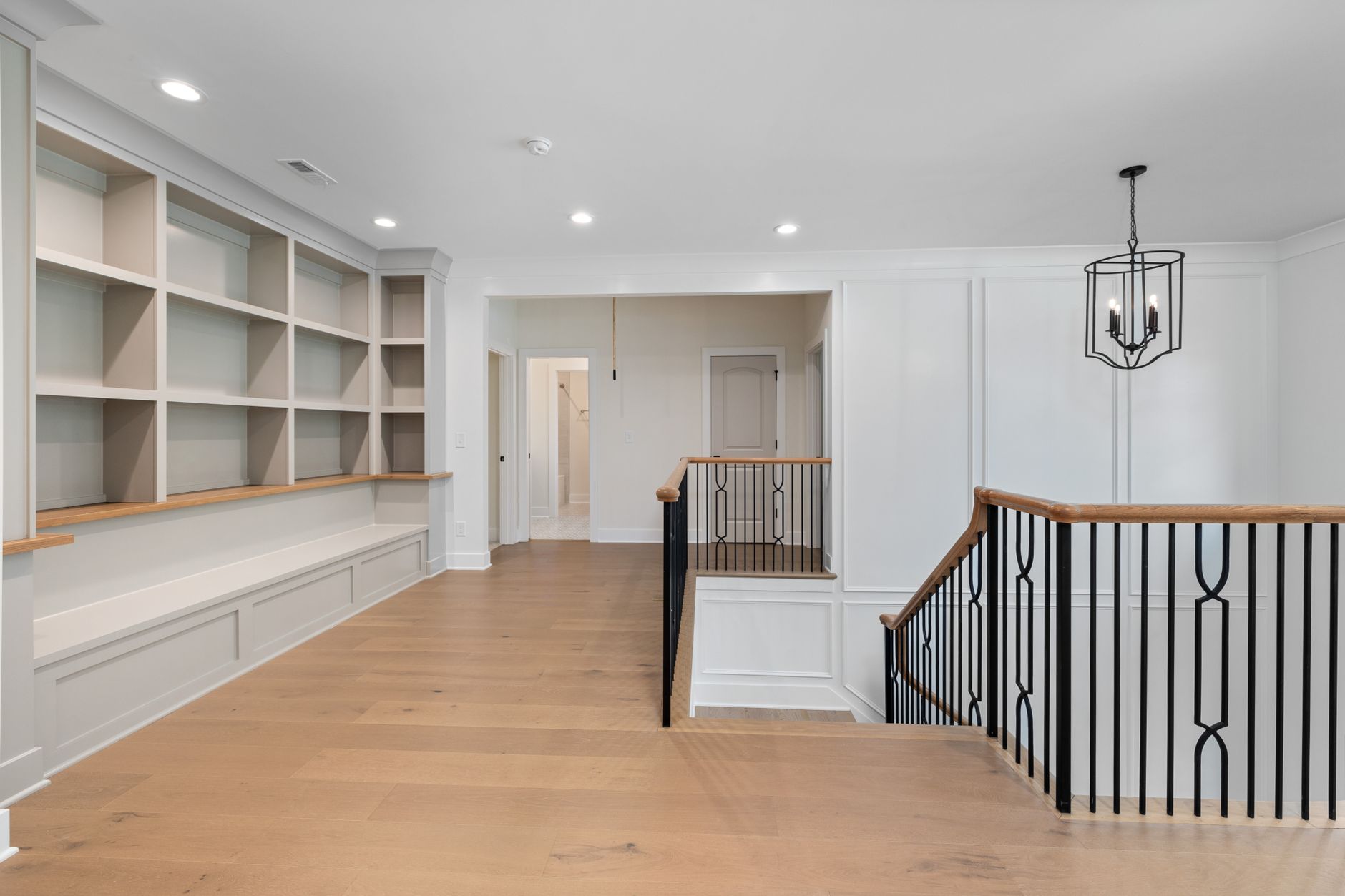
Do You Need a Permit to Replace a Floor in Pennsylvania?
For most flooring jobs in Pennsylvania the answer is no. The exceptions all have the same shape: you need a permit when you stop replacing a finish and start changing the building.
The general rule
Pennsylvania building regulation runs through the Uniform Construction Code, which is adopted
statewide but enforced locally. Municipalities administer it, some through their
own code office and some through a third-party agency, and that is why the reliable answer to a
permit question is always your township or borough rather than a website.
Replacing a floor covering like for like — carpet out, luxury vinyl plank in; refinishing existing
hardwood — is normally treated as a finish and does not require a permit.
Where it changes
A flooring job crosses into permit territory when it touches any of these:
- Structure. Sistering, replacing or cutting joists, or altering the floor
framing in any way. - Stairs. Anything that changes riser height, tread depth or the handrail. This
one catches people out: building a floor up thick enough to change the top or bottom step alters the
rise, and stair geometry is one of the most strictly enforced parts of the code. - Plumbing or electrical. Moving a supply line or a floor outlet because it is in
the way, or installing electric underfloor heating, which is an electrical alteration. - Structural load. Adding significant dead weight — stone in particular — to a
floor that was not designed for it. - Change of use. Finishing a basement or an attic as living space, where the
flooring is one part of a much larger permitted job.
Historic districts
Pennsylvania has a lot of local historic districts, and a certificate of appropriateness is a
separate process from a building permit. In practice these boards concern themselves with the
exterior far more than with your floors, but if a project touches an entrance, a porch floor or
anything visible from the street, ask before you order the material.
Condominiums and HOAs
Not a code issue but a real one, and it comes up constantly in Philadelphia and Pittsburgh
buildings: many condo associations impose sound-transmission requirements on hard-surface flooring
above the ground floor, specifying a minimum underlayment rating. That rule is enforced by the
association, it is enforced after installation, and the remedy is at the owner’s cost.
Frequently asked questions
Do I need a permit to refinish hardwood floors?
No. Sanding and refinishing an existing floor is maintenance of a finish and does not alter the
building.
Do I need a permit for underfloor heating?
Usually yes for an electric system, because it is an electrical alteration requiring an inspected
circuit. Hydronic systems bring plumbing into it as well.
Who actually issues the permit?
Your municipality, or the third-party code agency it contracts with. Two neighbouring townships
can run the same code through completely different offices, so ask about the property in question
rather than about the area.
What happens if work needed a permit and did not get one?
It typically surfaces at resale, when an inspection or a title search finds unpermitted
structural work — and at that point it is the seller’s problem to resolve, often at a worse moment
and a higher price.